Import

ACE: Auditing Your Import History

In FY 2020 alone, U.S. Customs and Border Protection (“CBP”) import audits resulted in over $44.6 million being collected by CBP. Similarly, CBP collected over $20.1 million in FY 2020 from trade-related penalties and liquidated damages. Prior to CBP auditing you, there is a lot you can do to be proactive about import compliance. The first step is getting a clear picture of your imports by accessing and analyzing your import data on the Automated Commercial Environment (“ACE”). An ACE  audit can identify duty-saving opportunities and open risks.

To date, CBP has collected $87.8 billion in China 301 tariffs. If you have paid Section 301 China tariffs on Lists 3 and 4 and you have joined the landmark lawsuit demanding full refunds on these tariffs paid, it is critical that you understand the extent of China tariffs that you have paid, and proactively look out for liquidations. Proactively and comprehensively auditing your ACE import data is the first step.

Whether you are new to importing or a seasoned professional, this one-hour webinar is a must attend. Register today to hear directly from our Diaz Trade Law President Jennifer (Jen) Diaz about audit risks and duty-saving opportunities. Jen is a Chambers ranked, Board Certified International Attorney specializing in customs and international trade.
[…]

An Introduction to Safeguard Investigations

What is Section 201 ?

Section 201 of the Trade Act of 1974 provides import relief measures (also known as Safeguards) for domestic industries. The measures provide temporary relief for U.S. industries when competitor imports increase so significantly that they cause serious injury or threat to the domestic industry. The Safeguard measures are temporary – they allow the U.S. President to raise import duties or impose nontariff barriers on goods entering the United States for a limited period so that domestic industry is given sufficient time to adjust to the competition.

[…]

USCIT Invalidates Section 232 Tariffs on Certain Steel and Aluminum Derivative Imports

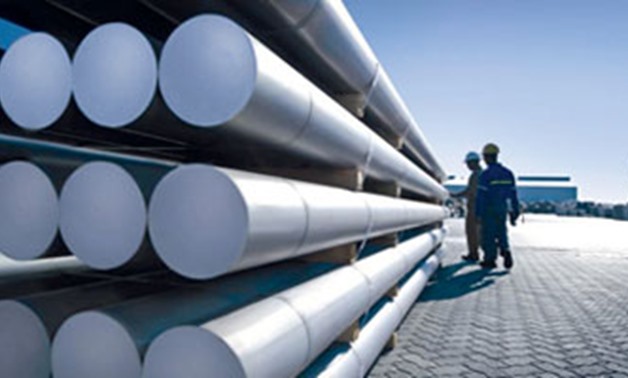
Aluminum - EgyptTodayBackground on Section 232 Aluminum and Steel Tariffs

Section 232 investigations, administered by the U.S. Commerce Department, are conducted to determine the imports of certain goods on national security. Historically, Section 232 investigations have been conducted regarding U.S. imports of crude oil and petroleum products and uranium, among other critical imports. Under the Trump administration, the Commerce Department initiated investigations of U.S. imports of aluminum and steel on April 27, 2017. The investigation resulted in an affirmative determination that such imports harm U.S. national security. As a result of the investigation’s findings, Trump imposed tariffs on certain U.S. imports of aluminum and steel on national security grounds. An exclusion process was also implemented in which U.S. importers could apply for tariffs to be excluded for certain steel and aluminum product imports.

[…]

REGISTER TODAY! NEI Accredited Webinar Importing 101 – Introduction to U.S. Customs

Webinar Importing 101 Introduction to US CustomsCo-Authored by Denise Calle

Whether you are new to importing or seasoned, this one-hour webinar is a must attend. Register today to hear directly from this specialized, expert trio on the “Top 10 Tips When Importing to Ensure Compliance” with real case studies:

[…]

New Antidumping Petition Against Imports of Certain Honey Products

Background on AD/CVD Investigations

Antidumping duty (“AD”) and countervailing duty (“CVD”) investigations are brought jointly by the U.S. International Trade Commission (“USITC”) and the U.S. Department of Commerce (“Commerce”). AD investigations are triggered when a domestic industry alleges that it has been injured by competing imports of particular goods from specific countries being sold at less than a fair value. Meanwhile, CVD investigations are triggered when a domestic industry alleges that it has been injured by competing imports that are being unfairly subsidized by their governments. The domestic industry initiating the investigation is known as the petitioner while the foreign industry participating in the investigation is known as the respondent.

[…]

Go to Top