What Happens When CBP Audits Your Business? A Complete Guide for Importers
Receiving notice of an audit from U.S. Customs and Border Protection (CBP) can raise serious concerns for any business importing merchandise into the United States. What records will CBP request? How far back will the agency investigate? Could your company face additional duties or penalties?
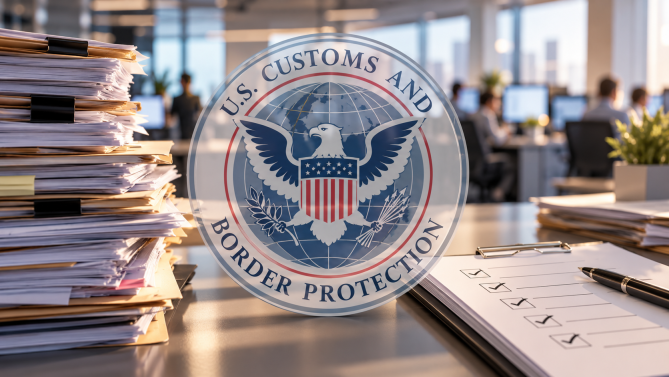
A CBP audit is designed to evaluate whether an importer is complying with U.S. customs laws and regulations. Depending on the type and scope of the audit, CBP may examine import transactions, accounting records, internal procedures, and the systems a company uses to manage its customs compliance responsibilities.
An audit does not automatically mean CBP suspects fraud or that penalties will follow. However, it can uncover errors that result in substantial financial exposure, particularly when those errors affect multiple shipments over several years.
For importers, understanding the CBP audit process and preparing before an audit begins can make a significant difference.
What Is a CBP Customs Audit?
A CBP customs audit is a review of a company’s import activities to determine whether the business is meeting its obligations under U.S. customs laws.
Unlike a routine examination of an individual shipment, a customs audit may involve a broader review of an importer’s operations, records, internal controls, and historical transactions.
CBP’s Regulatory Audit function conducts audits under authorities that include 19 U.S.C. § 1509. Depending on the circumstances, an audit may evaluate whether an importer has properly: